NHS London · March–May 2026

Making “only order what you need” a habit across London

A multilingual Meta and YouTube campaign used simple prompts, trusted voices and audience-led delivery to help older Londoners and carers pause before reordering repeat prescriptions.

Strategy · Paid social · YouTube · Multilingual creative · Measurement

NHS LondonAd · Public

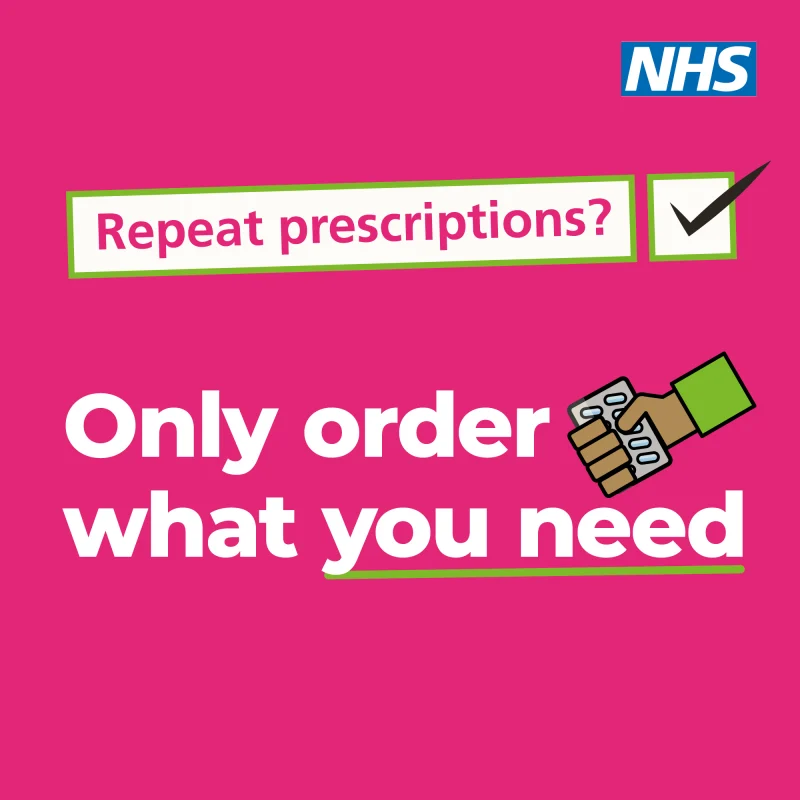
Before reordering your repeat prescription, take a moment to check what you already have at home.

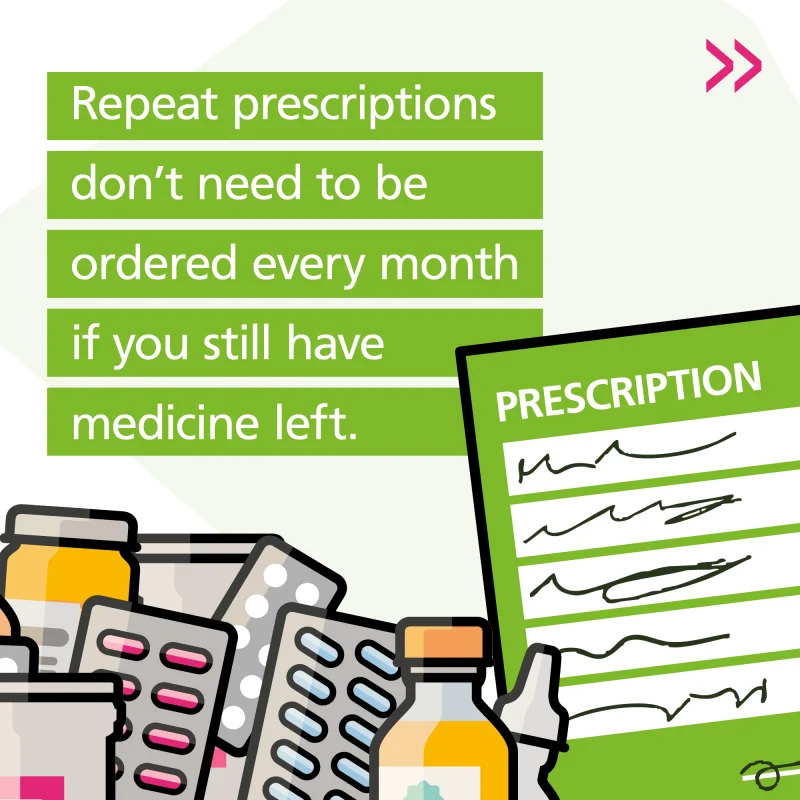
Repeat prescriptions do not need to be ordered every month if you still have medicine left. Only order what you need.

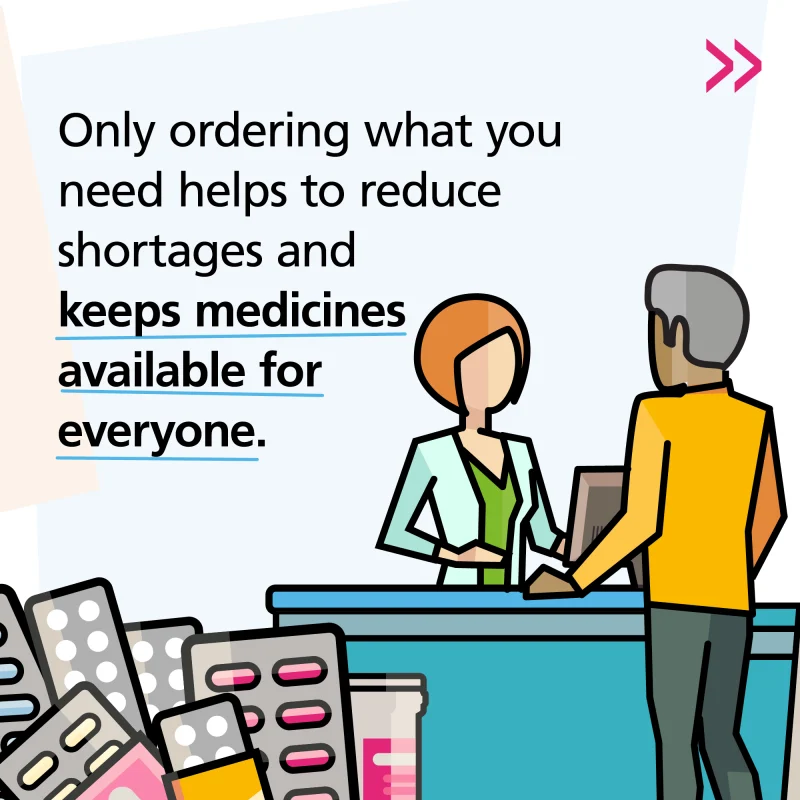
Campaign artwork asking people to check what medicines they already have before reordering a repeat prescription
NHS LondonLearn more
The opening advert sits inside the phone; the six remaining message cards continue at the same scale. Swipe, scroll or use the controls to explore.

The approach

A practical behaviour prompt, delivered with trust.

The campaign made medicine waste feel immediate and solvable: check what is already at home, order only what is needed and ask for help when a prescription no longer feels right.

01

Start with one action

Every route returned to a simple, memorable behaviour: pause and check before reordering.

02

Explain why it matters

Safety, medicine shortages, NHS cost and environmental impact gave the action wider meaning.

03

Use credible voices

Real pharmacists and familiar settings helped the YouTube creative feel direct and trustworthy.

04

Design for accessibility

Age, carer role, deprivation and four translated language strands shaped how the campaign was delivered.

Campaign impact at a glance

Headline activity is kept by channel so different measures are not treated as equivalent.

9.5mMeta impressions
Across older adults, carers, deprivation-priority and translated activity.
31,869Meta link clicks
Clicks from the reported campaign rows to the campaign landing page.
1.38mYouTube views
Across intent-led and older-adult campaign activity.
£0.006Average YouTube CPV
Reported average cost per view across the video programme.

How to read these figures: they describe platform-reported delivery and response, not unique people across Meta and YouTube or a measured reduction in medicine waste.

The creative system

One decision, shown from four useful angles.

Rather than repeating a warning, the campaign built a small journey from recognition to a better next step.

  1. Illustrated prescription card reminding people that repeat prescriptions do not need to be ordered every month
    Check

    See what you already have

    Make a quick check at home the first step before a repeat order.

  2. Medicine packs and an expired label illustrating the risk of stockpiling
    Pause

    Avoid medicines going out of date

    Connect over-ordering with medicines becoming unsafe to use.

  3. A patient speaking with a healthcare professional about a medication review
    Review

    Ask when something is not used

    Offer a constructive route: speak to the GP practice about a medication review.

  4. Medicine packs beside a river illustrating safe disposal and environmental protection
    Return

    Dispose of unused medicine safely

    Direct people to a local pharmacy and explain the benefit to rivers and seas.

Audience architecture

Broad enough for London. Specific enough to feel relevant.

The programme separated older adults, carers, deprivation-priority communities and language audiences instead of treating medicine waste as one generic message.

Meta created scale and message variation. YouTube combined demographic coverage with contextual and intent-led relevance around prescriptions, pharmacies, medicines and NHS services—without targeting people by health condition.

  1. 01

    Older adults

    London residents aged 60+, most likely to be managing repeat prescriptions.

  2. 02

    Carers and supporters

    Adults aged 45–59 who may be managing prescriptions for a parent or relative.

  3. 03

    Higher-deprivation communities

    Dedicated older-adult and carer activity across IMD-priority areas.

  4. 04

    Language audiences

    Bengali, Gujarati, Punjabi and Urdu delivery introduced in May.

  5. 05

    Intent-led relevance

    YouTube placements and keyword signals around prescriptions, pharmacies and medicines.

Translated Meta · 6–31 May

The same useful action, made more accessible.

Four language strands carried the campaign into selected communities where English may not have been the primary language.

1 of 4
Urdu1,529 clicks · £0.33 CPC
Punjabi833 clicks · £0.60 CPC
Gujarati926 clicks · £0.41 CPC
Bengali1,767 clicks · £0.28 CPC

The four translated campaign rows generated 403,974 impressions and 5,055 link clicks. Results describe delivery and response; they are not evidence of medicine adherence or health outcomes.

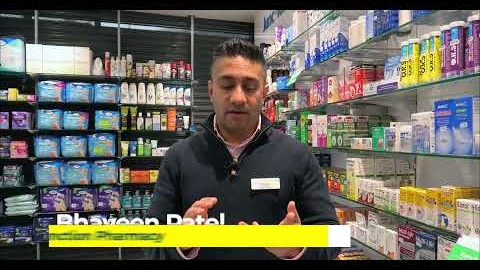
Pharmacist speaking in a pharmacy in the NHS medicine wastage YouTube campaign
Three pharmacist-led variants opened with direct address and carried the core action into video.

YouTube

Familiar faces. A clear hook. No wasted seconds.

The videos used real pharmacists in familiar settings to build credibility quickly. Each opened strongly so the action could land before the skip point, then expanded into waste, expiry and medicine shortages.

2.28m
impressions
1.38m
views
67.83%
average view rate

Results driven.

Useful public-health marketing starts with a behaviour people can understand, creative they can recognise and evidence that stays honest about what was measured.

Planning a public-sector campaign?

Talk to Byte Digital about turning a complex public message into a clear, accessible action.

Talk to Byte Digital
Running Google Ads