


South East London ICSAd · Public
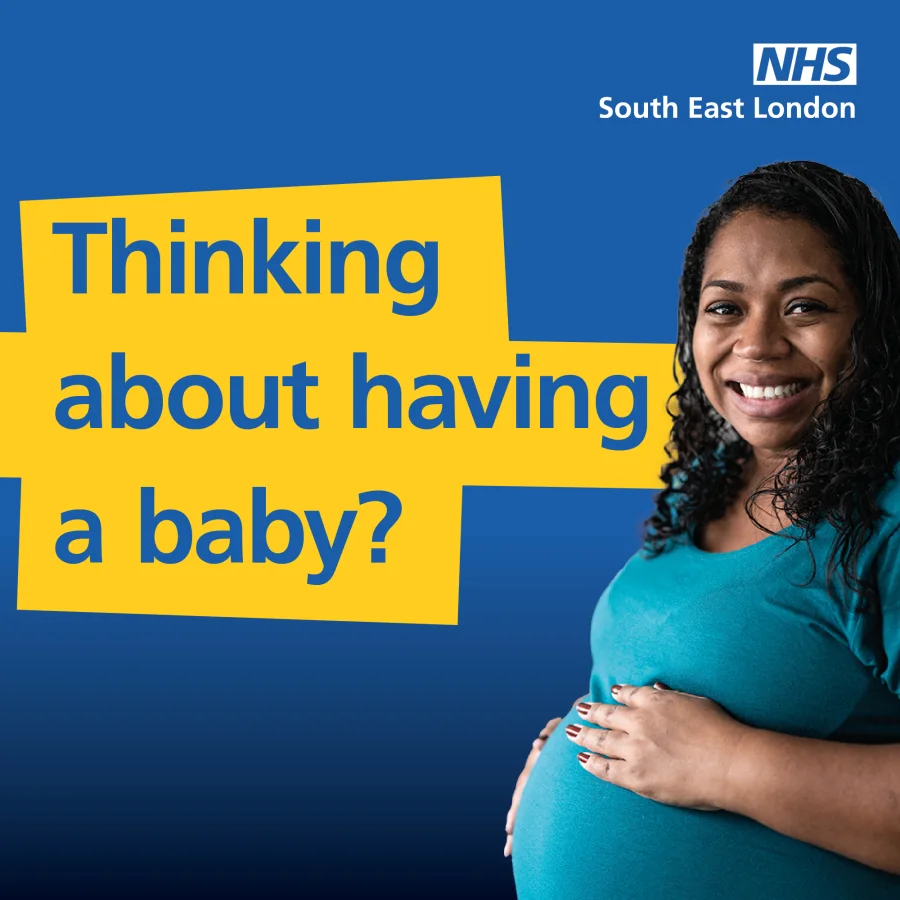
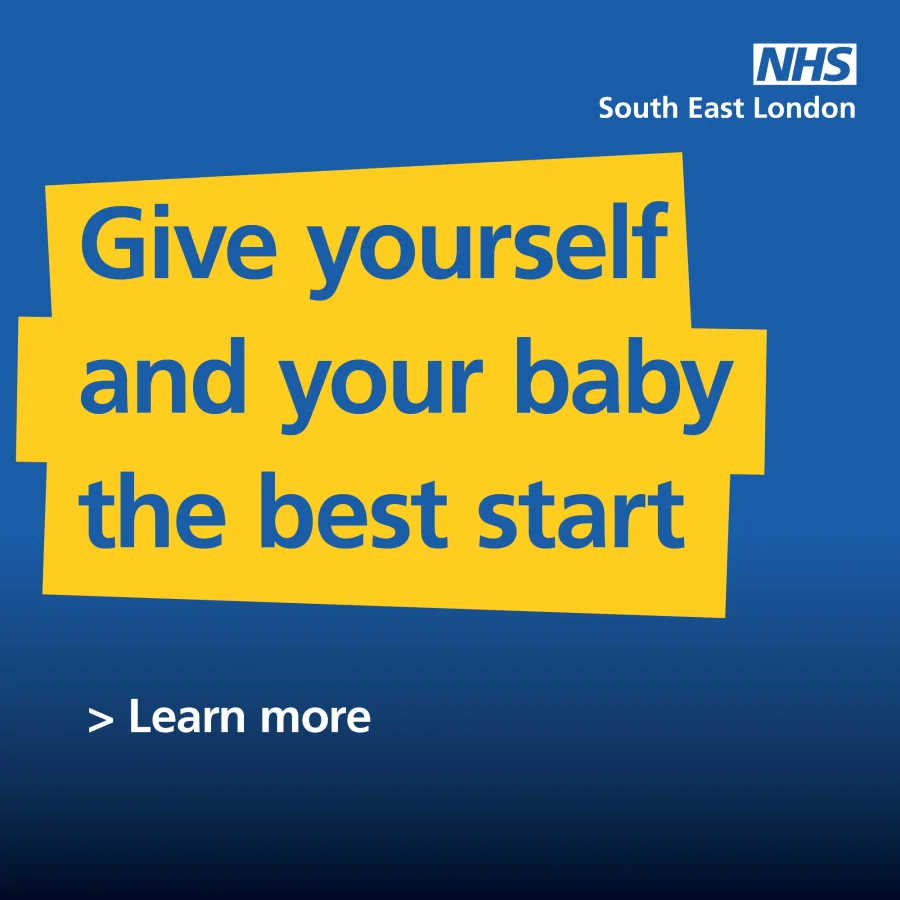
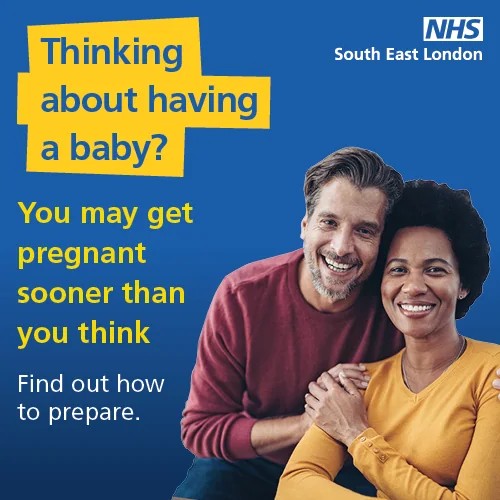
•••Thinking about having a baby? Making healthy lifestyle choices together can help boost fertility.
To find local support visit: planforbaby.co.uk
planforbaby.co.ukSee details
LikeCommentShare
NHS South East London · January–June 2026
A six-month, multi-channel programme combined active-search intent, broad awareness, audience and IMD prioritisation, partner-inclusive targeting, multilingual journeys and a three-phase creative sequence—helping people find, understand and act on preconception advice.


The approach
The strategy joined audience needs, media intent, accessible content and measurement into one six-month programme.
Search captured people already looking for pregnancy-planning advice, while Display and Meta maintained awareness across South East London from January to June.
The plan combined a women 18–45 core with younger women, IMD-priority wards, health and mental-wellbeing intent, relationship-stage signals and partner-inclusive activity.
Plan for Baby carried the full journey in seven languages. Meta also delivered translated awareness creative for Spanish, Nepali and Romanian-speaking audiences.
Static and responsive creative introduced the subject; midwife and healthcare-professional video explained it; support messages, a quiz and real stories prompted action.
A dedicated mobile-first landing page connected every channel, signposted trusted resources and retained website-level measurement when Meta Pixel event reporting became unavailable.
Four defined proof points show the scale of the full channel mix and the actions it generated.
Audience strategy
Make complex guidance relevant before someone becomes pregnant—not after.
Preconception health spans supplements, medication, mental wellbeing, diet, smoking, alcohol, caffeine and long-term conditions. The communications challenge was to bring those topics into one clear journey for people with different levels of intent, knowledge and support.
The campaign needed broad visibility without treating South East London as one audience. Delivery placed additional emphasis on younger women, people living in more deprived areas, people managing long-term or serious mental-health conditions, and partners who influence or support pregnancy planning.
The phases overlapped deliberately: always-on demand capture continued while education and action activity were introduced.
January–June
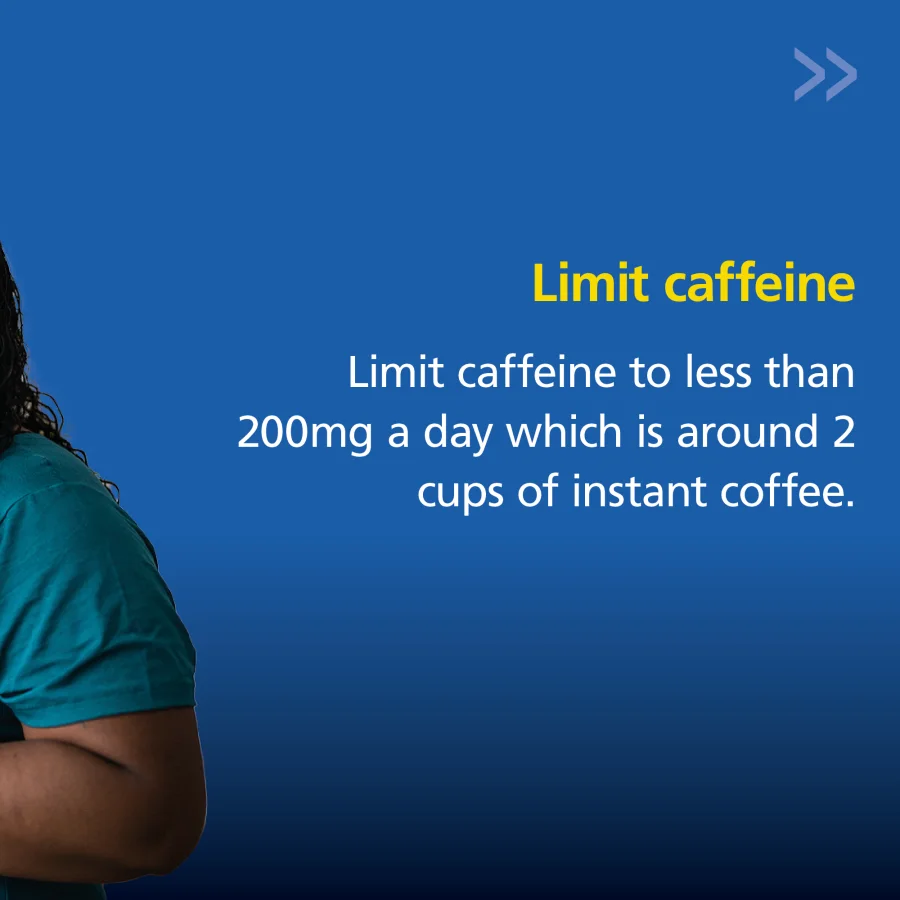
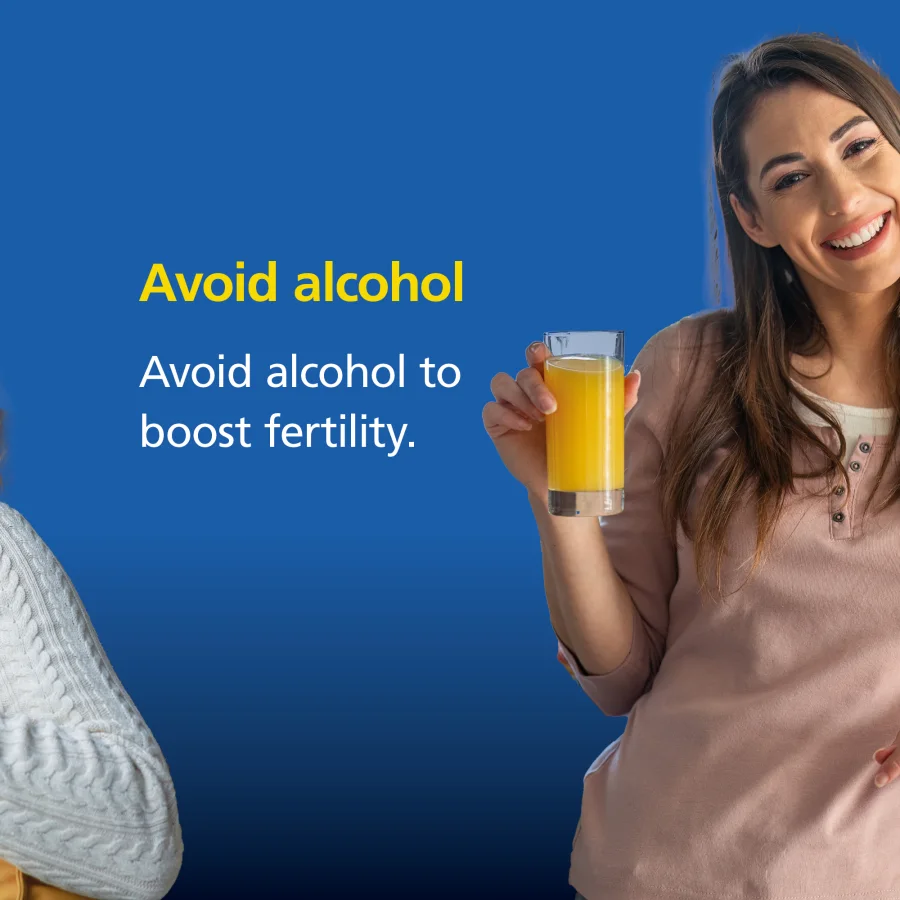
Search responded to planning, supplements, medication, mental health, diet, alcohol, smoking and caffeine queries. Display and Meta added broad, younger, IMD, relationship, partner and translated-language awareness.
Google Search · GDN · Meta
February–April
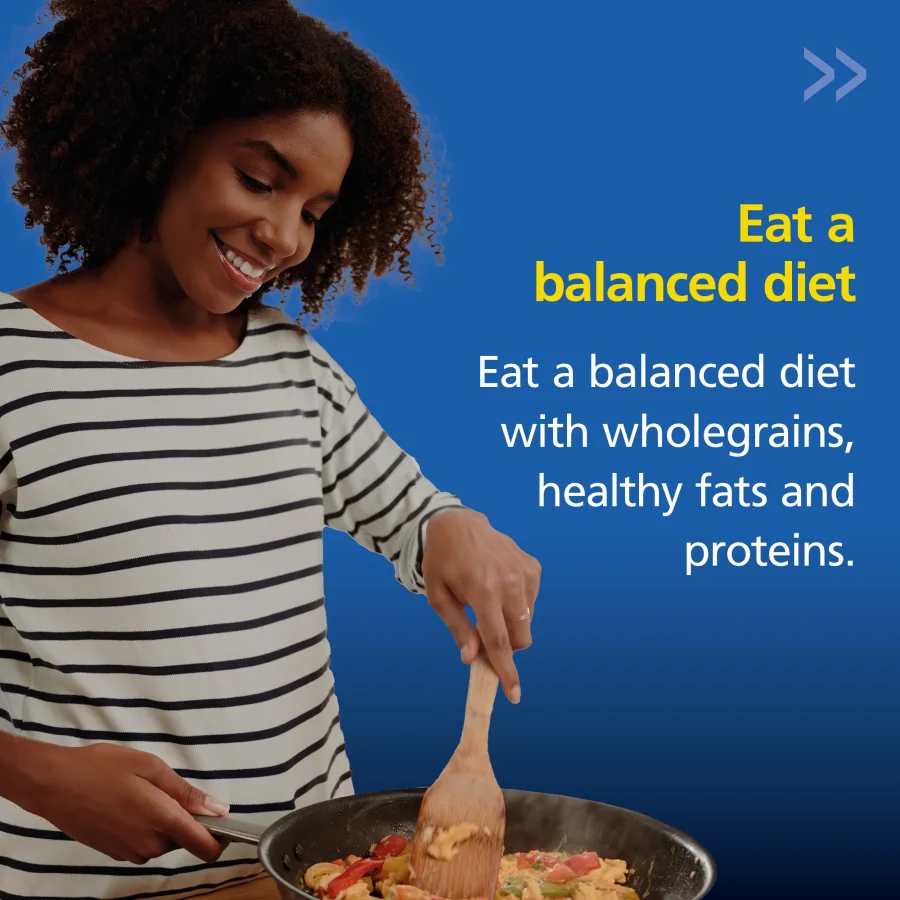
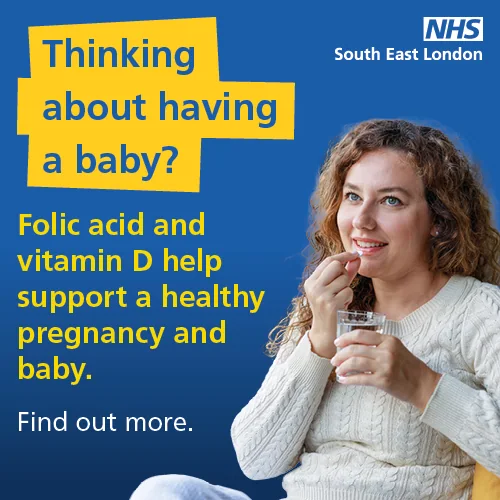
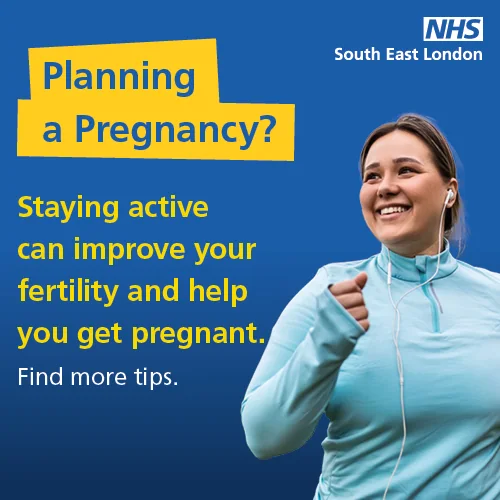
Static education and midwife or healthcare-professional video explained folic acid, vitamin D, healthy diet and activity, medication planning and emotional wellbeing in a credible, reassuring way.
Meta · YouTube
April–June
Action messages covered supplements, GP conversations, safe medication review, lifestyle changes and wellbeing support. The quiz reinforced recall; real-life case studies made behaviour change more relatable.
Meta · YouTube · Website
Plan for Baby gave the campaign a controlled destination for clear advice, further support and website-level measurement.


Designed around the devices most likely to arrive from Meta, Display and YouTube.
English, Spanish, French, Portuguese, Romanian, Polish and Nepali supported more accessible journeys.
Google tracking measured engagement and outbound resource clicks after Meta health-data restrictions prevented Pixel event reporting.
Broad preparation messages opened the journey. Specific health topics, professional-led education, quizzes and real stories then carried people towards practical next steps.


Phase 3 engagement
It changed the audience’s role from passively seeing advice to actively testing what they understood.
The questions brought folic acid, vitamin D, alcohol, caffeine, diet, activity and mental wellbeing into one short interaction. This reinforced message recall and created a low-friction next step after the awareness and education phases. Meta delivery was shaped towards people most likely to engage, while the website measured actual starts and completions.
Starts and completions were measured through the Plan for Baby website, not reported as Meta conversions, because health-related data-sharing restrictions prevented Pixel event reporting.
The campaign balanced low-cost awareness with higher-intent engagement. The report records 21 Meta campaign/audience lines across awareness, education, support/action and quiz activity—including broad, younger, IMD-priority, relationship and partner audiences, plus Spanish, Nepali and Romanian Phase 1 campaigns.
| Channel | Role | Reported performance |
|---|---|---|
| Google Display | Always-on awareness | 3,144,878 impressions · £0.79 CPM |
| Google Search | Capture active intent | 697 resource actions · £8.55 per conversion |
| YouTube | Education and real stories | 331,156 views · £0.008–£0.010 CPV |
| Meta programme | Three campaign phases plus an action-focused quiz | 3,456,103 impressions · 20,273 landing-page clicks£0.39 blended CPC |
| Meta · Phase 1 | Awareness across broad, younger, IMD, partner and translated audiences | 851,718 impressions · 4,785 clicks336,546 reported reach · £0.53 CPC |
| Meta · Phase 2 | Education through practical and healthcare professional-led content | 796,209 impressions · 5,674 clicks390,042 reported reach · £0.36 CPC |
| Meta · Phase 3 | Support and action-focused reminders | 1,354,249 impressions · 2,828 clicks453,117 reported reach · £0.71 CPC |
| Meta · Quiz | Engagement and knowledge retention | 453,927 impressions · 6,986 clicks94,832 reported reach · £0.20 CPC · 301 website-tracked completions |
We bring private-sector pace, clarity and performance discipline to public-sector campaigns—without compromising accessibility, accountability or public trust. The result is work designed to be understood, acted on and measured in the real world.
