


Print Marketing for Public Sector Campaigns: When Leaflets, Posters and Letters Still Work
Print Marketing for Public Sector Campaigns: When Leaflets, Posters and Letters Still Work
Print marketing still has a useful role in public sector campaigns, especially when the message needs to reach people in a specific place, at a specific moment, or through a trusted local setting.
Leaflets, posters and letters are not always the answer. But for the right campaign, they can support awareness, prompt action and reach audiences who may not respond to digital advertising alone.
The strongest print campaigns do not sit apart from digital. They use the same core message, the same audience thinking and a clear next step, whether that is scanning a QR code, visiting a short URL, calling a dedicated number, attending an event or booking an appointment.
For NHS and public-health programmes that combine offline and digital activity, see our NHS and public-health campaign delivery service.
Start with the moment the material is received
Before choosing a leaflet, poster, letter or brochure, start with the situation in which someone will see it.
A poster in a GP surgery has a different job from a letter arriving at home. A leaflet handed out at an event has a different context from a door drop. Good print marketing starts by understanding what the person already knows, what they may be worried about and what action they are realistically likely to take next.
This keeps the work practical rather than decorative.
Make the message clear quickly
Print rarely gets much attention time. The headline needs to explain the point quickly, the supporting copy needs to be easy to understand, and the call to action needs to be obvious.
For public sector campaigns, this is especially important. The reader may be busy, anxious, distracted or unfamiliar with the service. Avoid trying to say everything at once. A strong print asset usually does one main job well.
Match the format to the environment
Different formats work better in different settings.
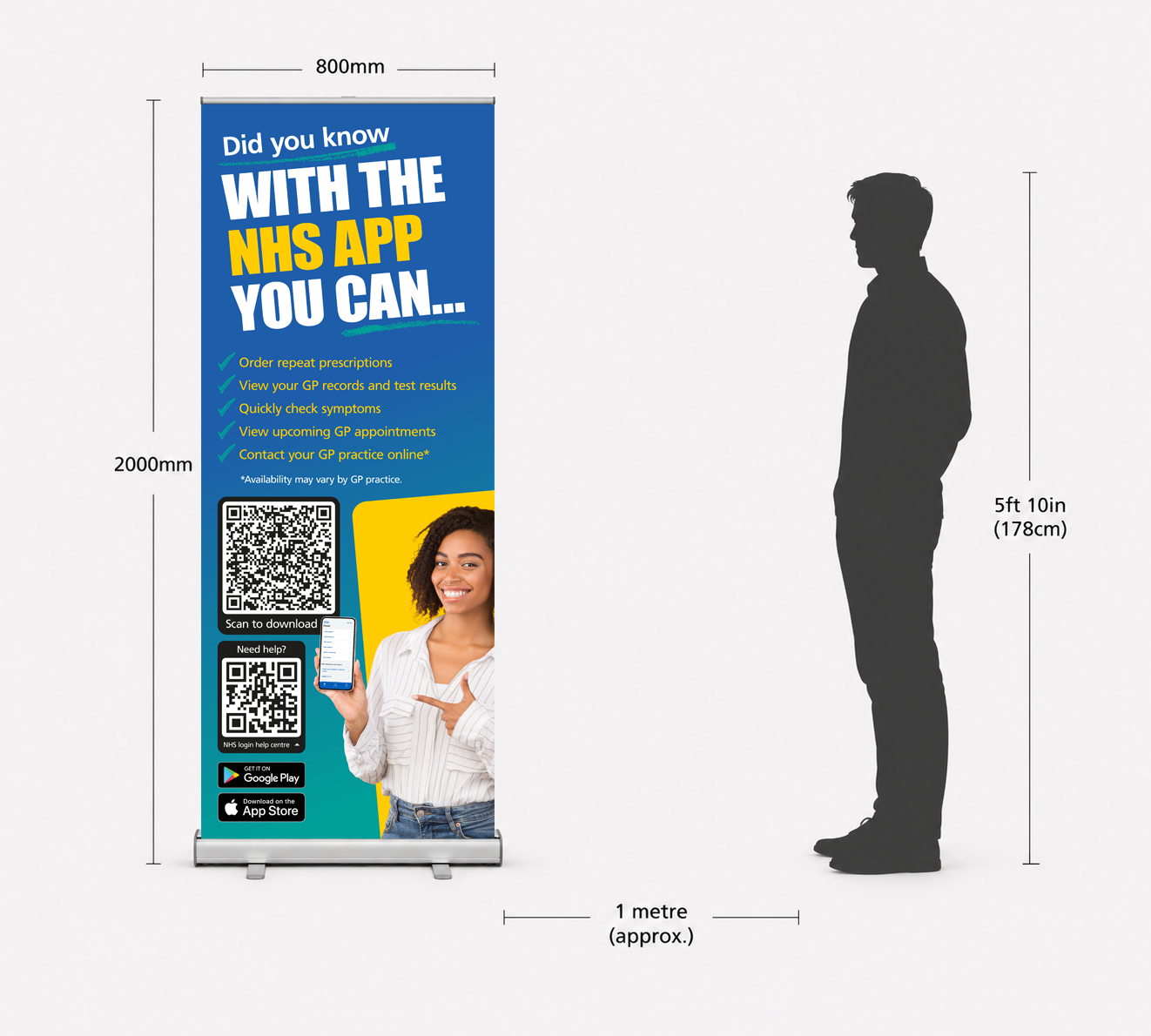
Posters can work well in waiting rooms, community venues, schools, libraries and staff areas. Leaflets can be useful when people need more information to take away. Letters can be effective when the message is personal, important or linked to eligibility. Larger printed packs may be useful for stakeholder engagement, events or professional audiences.
The format should be chosen because it fits the campaign journey, not simply because it has been used before.
Connect print with digital
Print works best when it gives people an easy next step. That could be a QR code, a memorable short URL, a dedicated phone number or a landing page created for the campaign.
The landing page should continue the same message as the printed material. If the leaflet says one thing and the website says something broader or more confusing, people are more likely to drop off.
Where possible, campaign teams should also use trackable links, QR codes, call tracking or separate contact routes so they can understand which print materials are helping people take action.
Think about trust and accessibility
Public sector print needs to feel credible, clear and easy to use. Branding, plain English, accessible design and appropriate translations can all affect whether people engage with the message.
For healthcare, council and community campaigns, trust matters. People need to know who the message is from, why it is relevant to them and what they should do next.
Measure what you can
Print will not always be as easy to measure as digital advertising, but that does not mean it should be unmeasured.
Useful measures can include QR code scans, short URL visits, calls to a dedicated number, appointment bookings, event attendance, form submissions or changes in service enquiries during the campaign period.
The aim is not always perfect attribution. The aim is to understand whether print is supporting the wider campaign and helping people move from awareness to action.
When print still works well
Print can be especially useful when a campaign needs to reach people through trusted physical locations, support local awareness, provide information to take away, prompt action at home, or reach audiences who may be less responsive to online advertising.
It can also be valuable when combined with Meta, Google Ads, YouTube, Spotify, outdoor media, PR or stakeholder communications.
Conclusion
Print marketing still works when it is planned around the audience, the setting and the action you want people to take. For public sector campaigns, the best results usually come when print and digital work together, with one clear message, a simple next step and a practical way to measure response.
Next step: Plan a joined-up print and digital campaign

Alex is a Digital Marketeer with a creative focus. He specialises in content creation, brand building and performance marketing. With extensive experience in concept design, brand strategy and creative direction, Alex loves the ideas side of the business. After many years working with Pan-European brands within traditional media, Alex took the decision to go fully digital. With the evolving social platforms and the newly formed markets they bring, Alex finds social and content an amazing space to operate in.