Byte Digital delivered a London-wide NHS medicine-wastage campaign from March to May 2026. The work combined illustrated Meta adverts, a seven-card carousel, translated creative and NHS-supplied pharmacist videos on YouTube. Its central message made a practical action easy to recognise: check what is already at home and only order the medicines needed.
Purpose and audience
The brief focused on older adults managing repeat prescriptions and carers supporting relatives. The creative explained why pausing before a repeat order matters, connecting a familiar task with medicines going out of date, availability for other people and safe disposal.
Byte planned dedicated activity for older adults and carers alongside IMD-priority areas. Language adaptations extended the campaign to Bengali, Gujarati, Punjabi and Urdu audiences. The planning gave these groups a defined place in delivery rather than relying solely on a broad London campaign.
Byte's role
Byte handled campaign strategy, audience planning, creative development, setup, optimisation and reporting. Advertising copy and artwork were developed with the NHS team, taking the approved public-health message into formats suited to Facebook, Instagram and YouTube.
The NHS supplied the pharmacist talking-to-camera videos. Byte managed their use in the YouTube campaign, combining a trusted professional voice with the wider audience and media plan.
The carousel: one useful action, several reasons to take it
The carousel used a consistent illustration style, short headlines and familiar prescription imagery. Each card developed one part of the message, allowing people to explore the subject a step at a time.
The opening card prompted a check at home. Following cards explained repeat ordering, expiry, medicine availability, safe returns and medication reviews. The final card brought the sequence back to the campaign's central instruction.
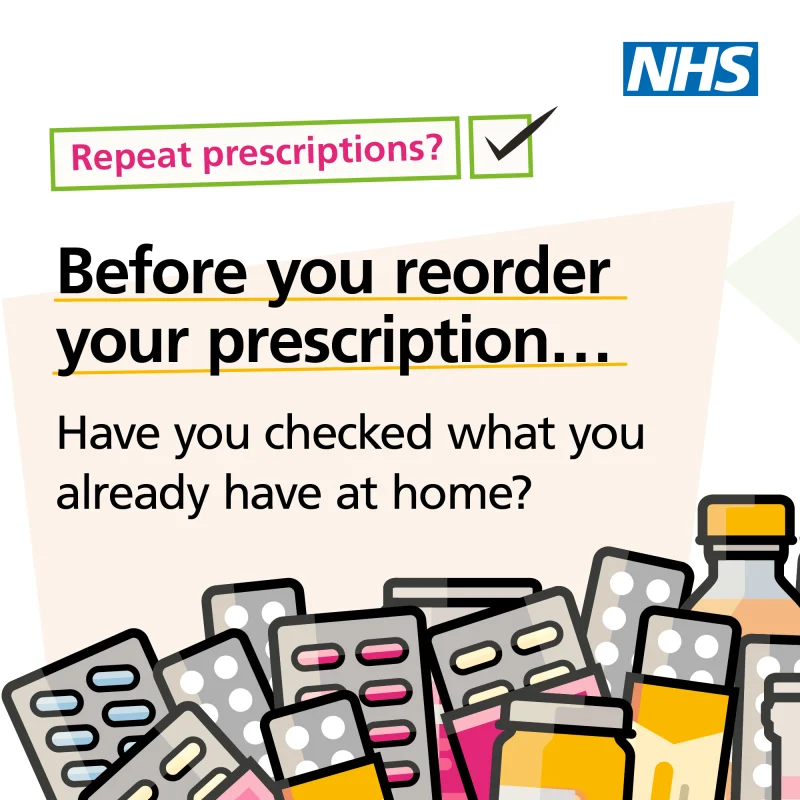
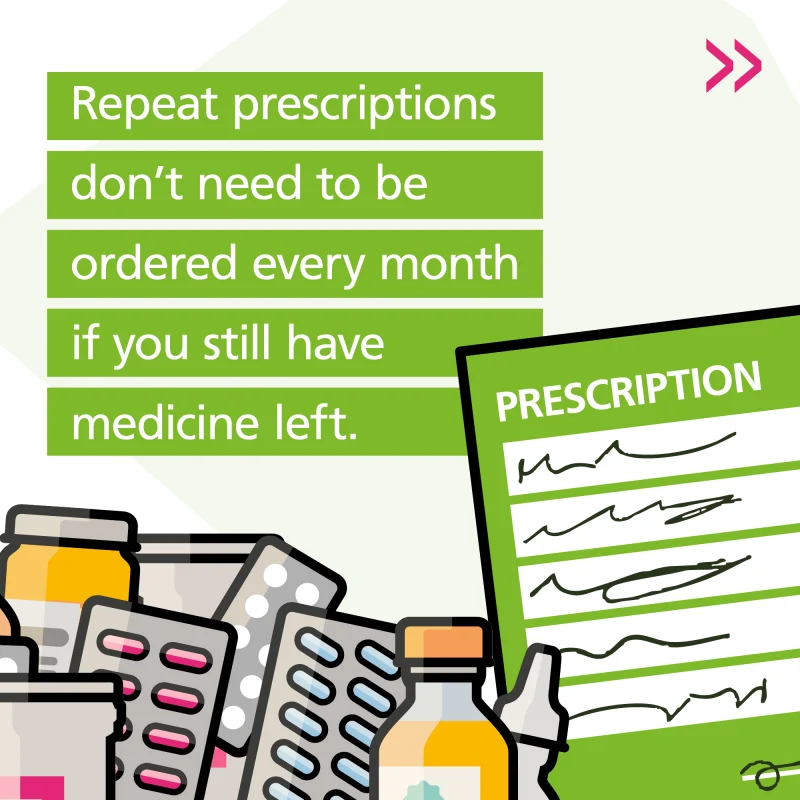
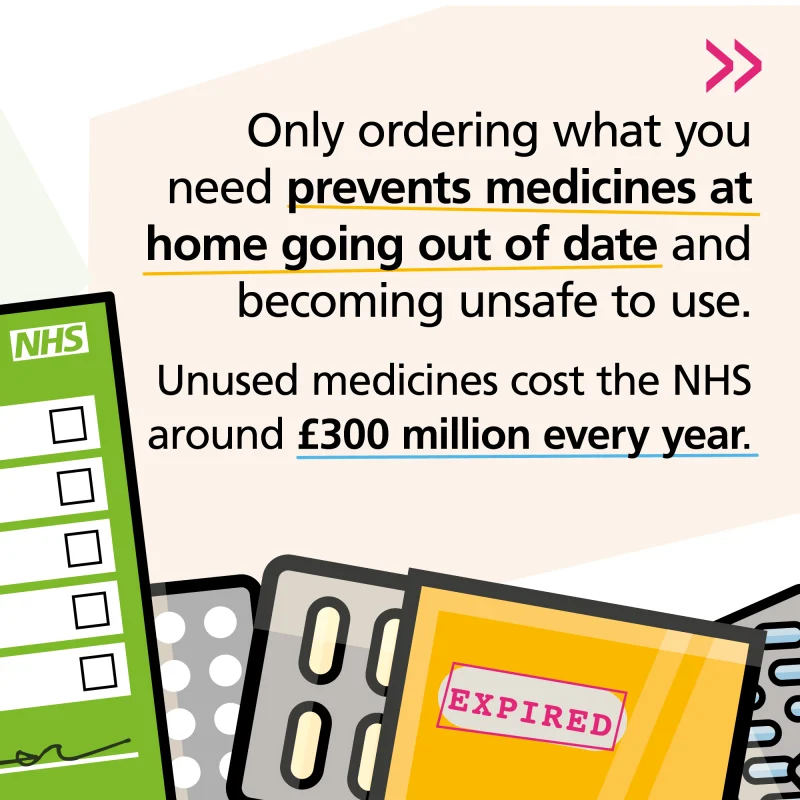
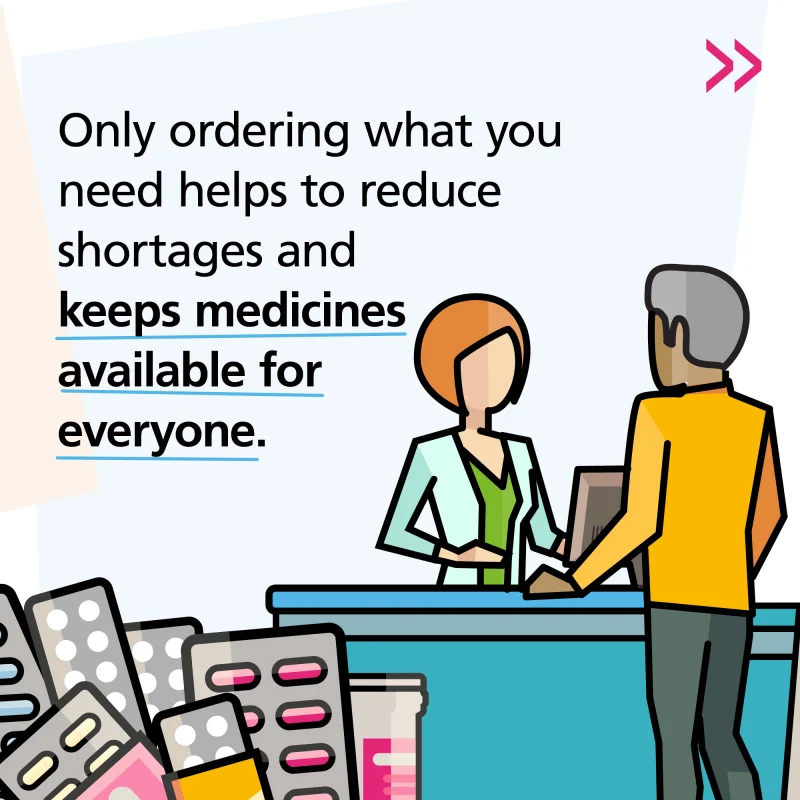
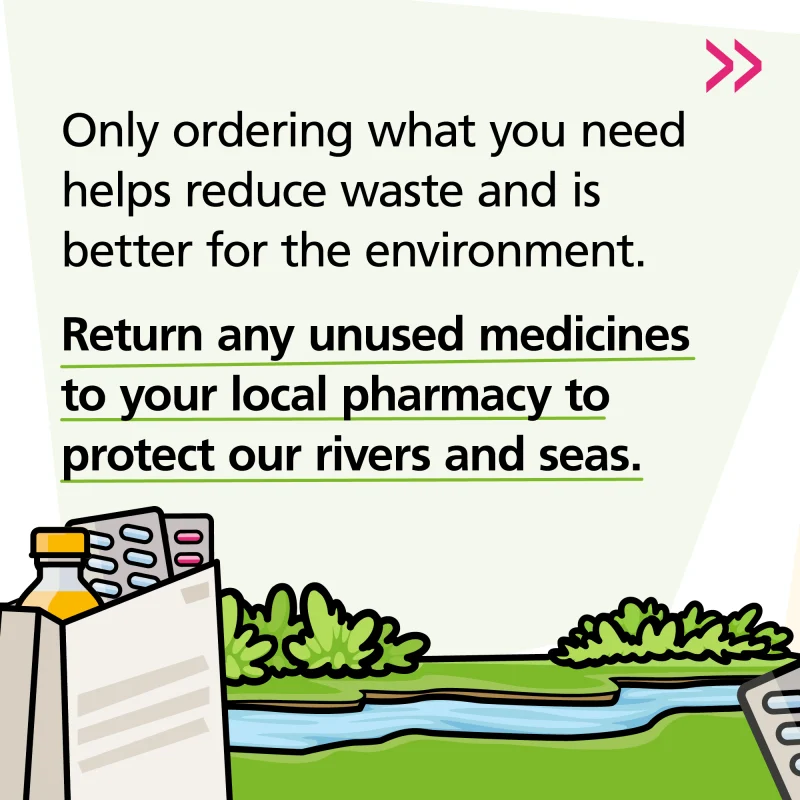
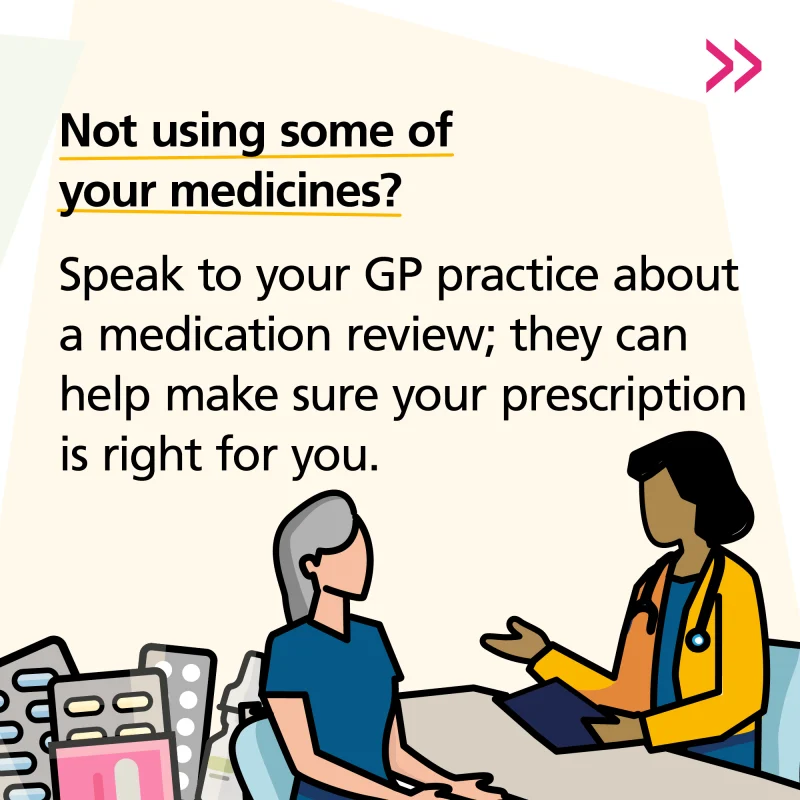
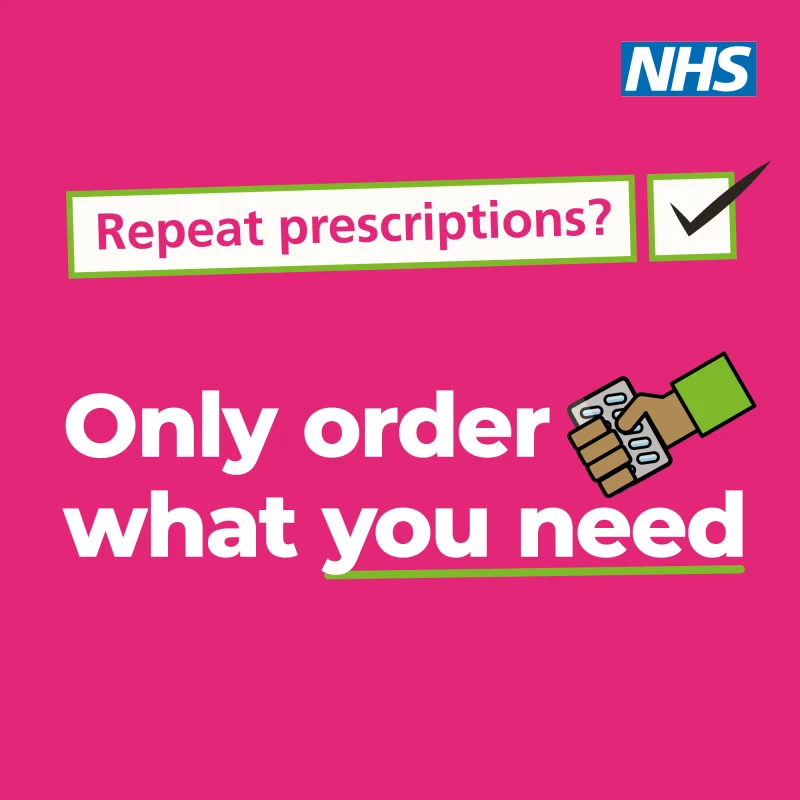
These are the campaign's published creative cards. The main-site medicine-wastage case study presents the carousel in its advertising layout, alongside the translated adverts and video examples.
Why the creative was structured this way
The message starts with something people can do immediately. The illustrations make the subject recognisable, while each card adds a reason to act without putting the entire explanation into one advert.
The sequence also gives different people different points of relevance: someone checking a repeat order, a carer managing medicines, or someone unsure what to do with unused packs. The same visual system carries those messages across carousel and static placements.
This approach connects campaign reach with a practical communication objective. The creative aims to make the instruction understandable and memorable; the campaign results below measure advertising delivery and engagement.
Language and inclusion
Translated Meta activity ran from 6–31 May 2026 in Bengali, Gujarati, Punjabi and Urdu. It extended the same practical instruction into languages relevant to the campaign audience.
IMD-informed delivery helped give priority communities dedicated coverage. Byte considered geography, carer roles and language together when planning how to reach people with the information. The NHS marketing guide explains this approach.
Pharmacist-led video
The YouTube creative featured real pharmacists in familiar settings. A direct opening brought the message into the first moments of the advert, followed by an explanation of medicine waste, expiry and availability. NHS-produced professional voices provided credibility alongside the illustrated social campaign.
Watch pharmacist video one (opens in a new tab).
Watch pharmacist video two (opens in a new tab).
Watch pharmacist video three (opens in a new tab).
Selected published results
The main-site case study already publishes these March–May 2026 figures:
| Channel | Selected result | What it describes |
|---|---|---|
| Meta | 9.5 million impressions | Times the campaign adverts were displayed |
| YouTube | 1.38 million views | Platform-defined video views |
| YouTube | £0.006 average cost per view | The report's rounded media cost per video view |
The results show the scale of delivery and the cost of reaching viewers with the video message. They retain their channel definitions; they do not measure changes in prescription ordering or medicine wastage.
Relevance to other NHS campaigns
The record demonstrates how Byte develops an approved message into a coherent creative sequence, makes room for carers and language needs, and coordinates illustrated adverts with NHS-produced video.
Related records cover NHS App adoption and repeat-prescription messages, Pharmacy First service awareness and preconception health. See websites and creative for Byte's design and development capabilities.
References
- Byte Digital: NHS London medicine-wastage case study and creative gallery.
- Byte Digital's June 2026 medicine-wastage campaign report, ID SEL 066, covering London-wide activity from 1 March to 31 May 2026.
- NHS-supplied pharmacist videos linked above.